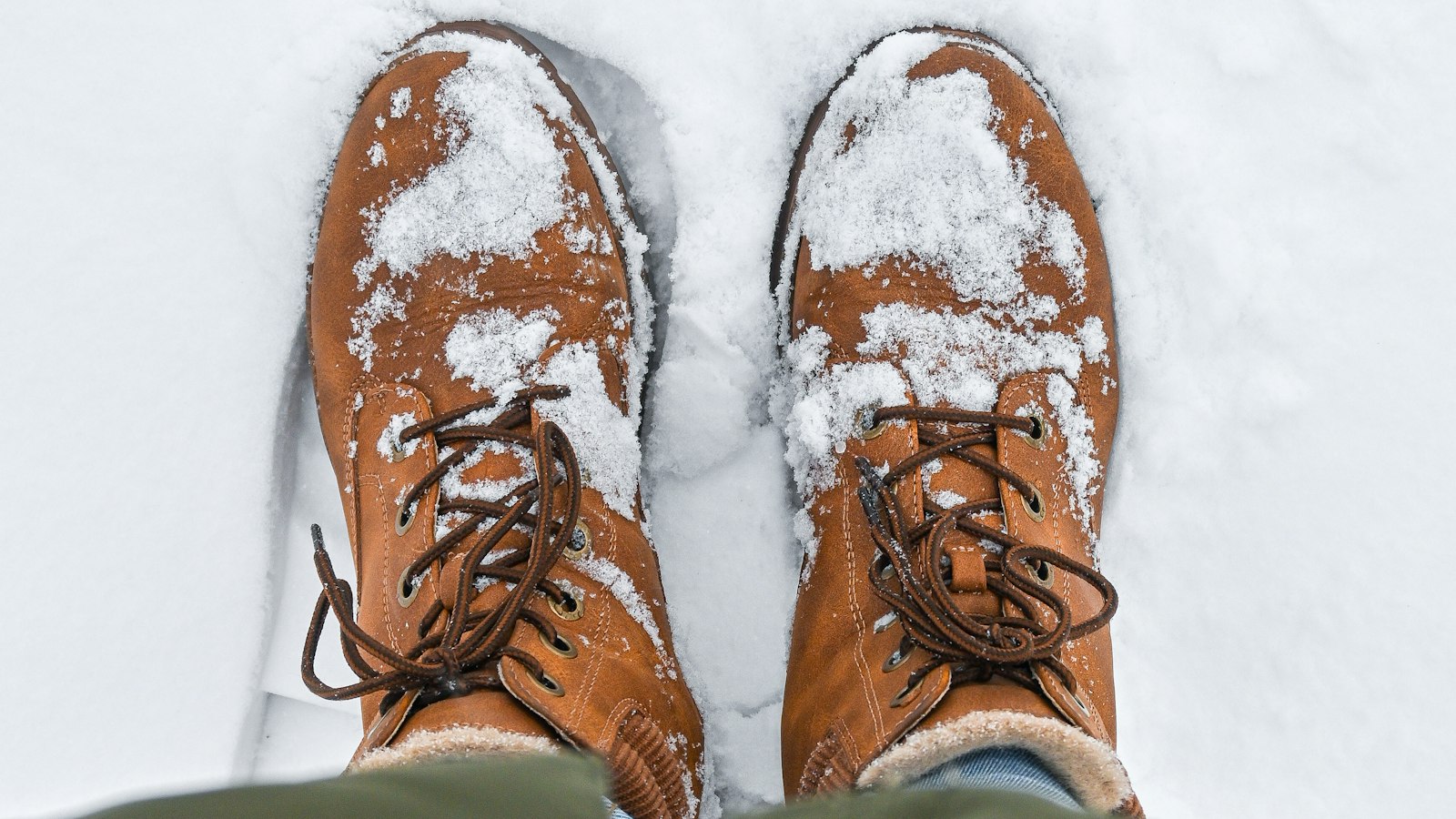
Best Winter Boots for Women: Snow, Lined and Lug-Sole Styles
The right winter boots make cold, wet days far easier to get through. A good pair keeps your feet cozy on snowy sidewalks and slushy crosswalks, and still looks good with jeans or a long coat. This guide covers the main winter boots for women, from tall snow boots and duck-style boots to lined lug-sole ankle boots, with honest pros and cons for each. You will also find tips on traction, fit, lining and care, plus easy outfit ideas, so you can pick a pair that suits your weather.
NexoShe is reader-supported. As an Amazon Associate I earn from qualifying purchases. When you buy through links on our site, we may earn a commission at no extra cost to you. Read our full affiliate disclosure, written in line with the FTC Endorsement Guides.
Quick Picks
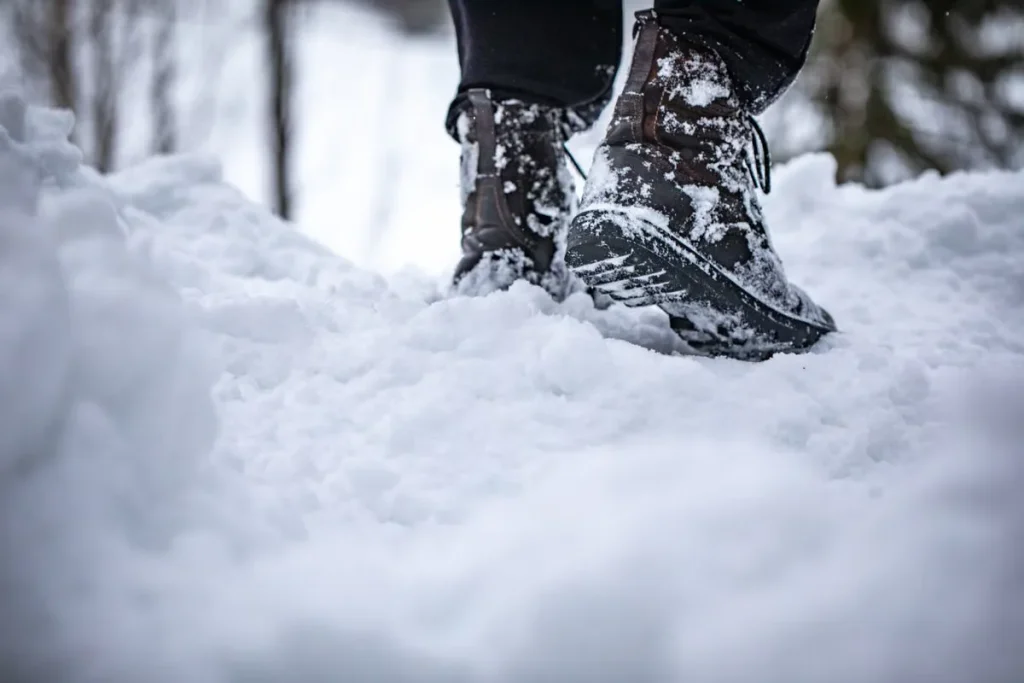
- Best overall style: lined lace-up winter boot
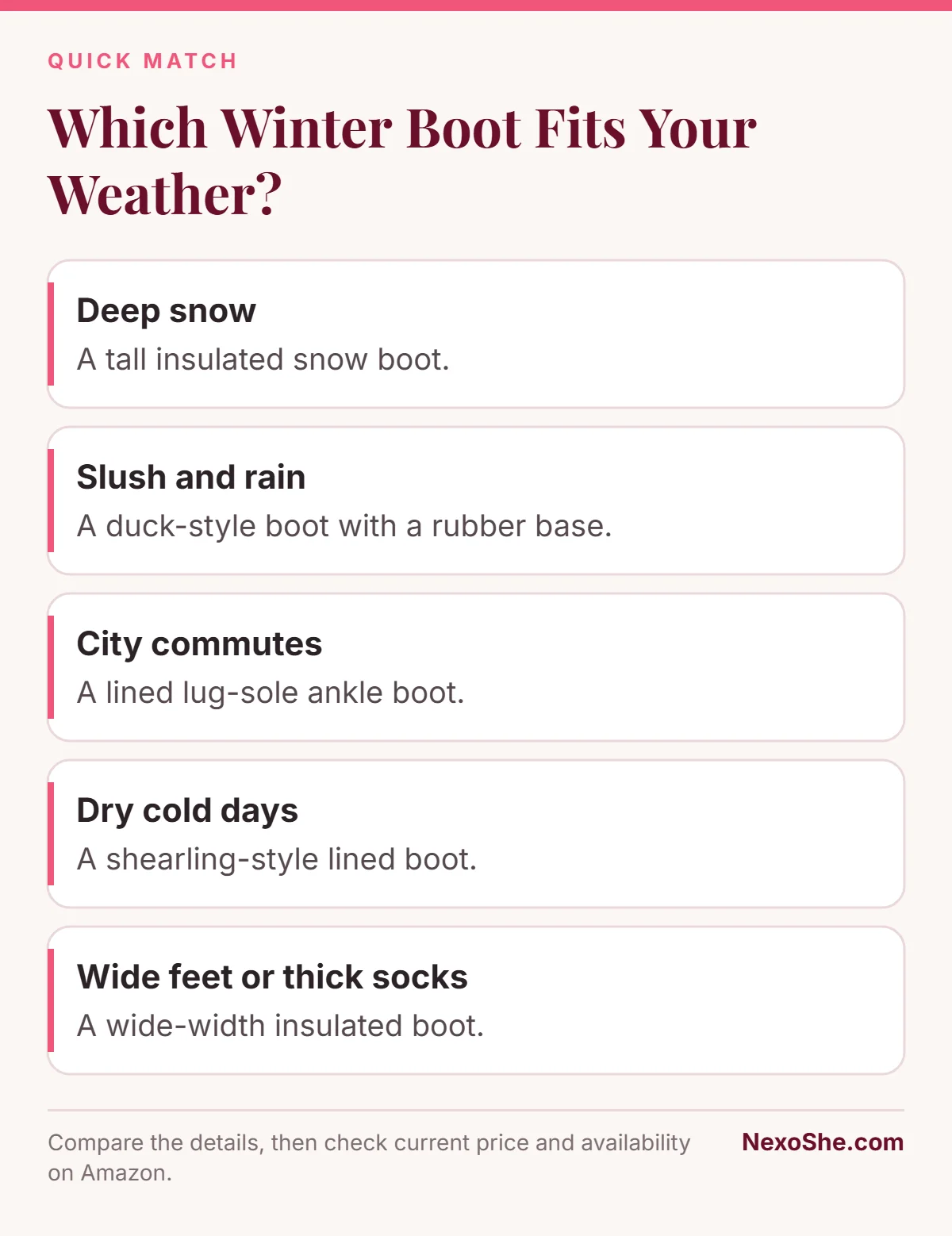
- Best for deep snow: tall insulated snow boot
- Best for commuting: lined lug-sole ankle boot
- Best budget pick: faux-fur lined ankle snow boot
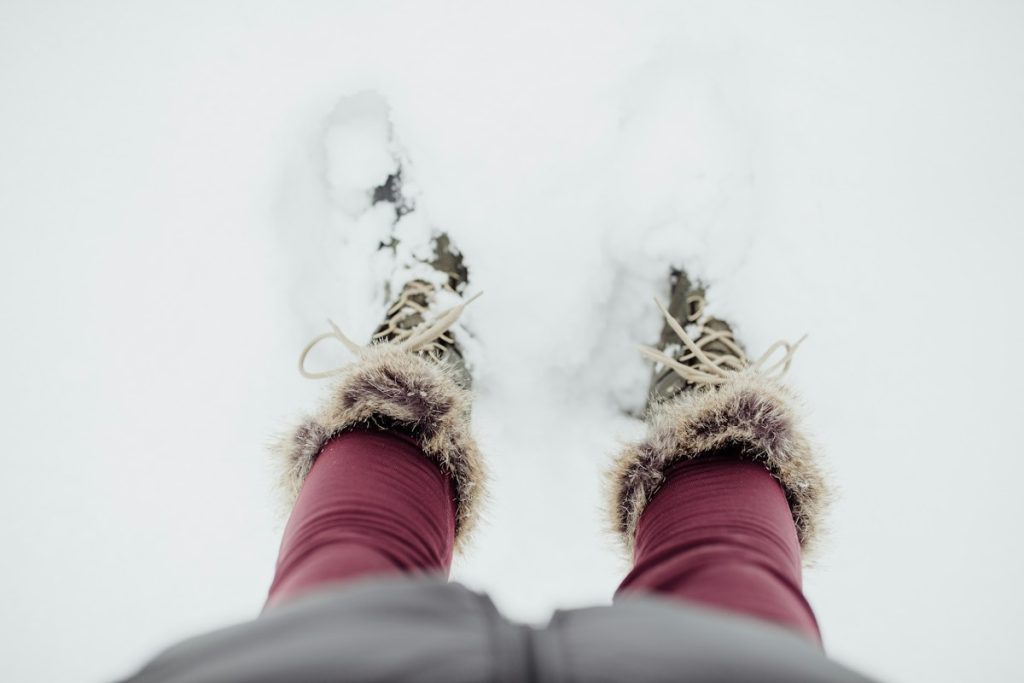
- Best for petite frames: mid-calf lined winter boot
| Boot | Best for |
|---|---|
| Lined Lace-Up Winter Boot View on Amazon → | Everyday winter wear in towns and cities with regular snow |
| Tall Insulated Snow Boot View on Amazon → | Deep snow, shoveling the driveway and long walks on very cold days |
| Duck-Style Boot View on Amazon → | Wet winters with more slush, rain and puddles than deep snow |
| Lined Lug-Sole Ankle Boot View on Amazon → | Walking to transit, then wearing your boots at the office all day |
| Shearling-Style Lined Boot View on Amazon → | Dry, cold days, quick errands and relaxed weekend outfits |
| Faux-Fur Lined Ankle Snow Boot View on Amazon → | Mild winters, occasional snow or a backup pair |
| Mid-Calf Lined Winter Boot View on Amazon → | Petite women who find tall snow boots overwhelm their frame |
| Side-Zip Lined Winter Boot View on Amazon → | Busy mornings, shoes-off homes and anyone who dislikes laces |
| Wide-Width Insulated Winter Boot View on Amazon → | Wide feet or anyone who wears thick socks |
The Best Winter Boots for Women to Consider
Best overall style
Lined Lace-Up Winter Boot
Best for: everyday winter wear in towns and cities with regular snow
Why we recommend it: A lace-up boot with a warm lining and a rubber sole covers most winter days well. The laces let you adjust the fit over thick socks, and the hiker-inspired look pairs easily with jeans, leggings and puffer jackets.
Key features to look for
- An insulated or lined upper; check the listing for the warmth details
- A deep-tread rubber outsole; check the listing for traction details
- A gusseted tongue that helps keep snow out of the laces
Pros
- Adjustable fit for thick socks
- Versatile, casual look
Cons / limitations
- Laces take longer to put on and take off
- Heavier than a fashion ankle boot
Best for deep snow
Tall Insulated Snow Boot
Best for: deep snow, shoveling the driveway and long walks on very cold days
Why we recommend it: A taller shaft adds coverage above the ankle, so snow is less likely to get inside. Many styles pair a rubber lower with a water-resistant upper and a drawstring collar at the top. Check the listing for the water and warmth details before you buy.
Key features to look for
- A tall shaft with a drawstring or snug collar
- A removable liner you can dry separately
- A wide, deep-tread sole; check the listing for traction details
Pros
- Most coverage for snowy days
- Liners are often removable for drying
Cons / limitations
- Bulky for driving and indoor wear
- Can feel heavy on long walks
Best for slush and rain
Duck-Style Boot
Best for: wet winters with more slush, rain and puddles than deep snow
Why we recommend it: Duck-style boots combine a rubber lower that handles slush with a leather-look or nylon upper that keeps the boot lighter and more flexible. The classic look works with jeans and a wool coat, and many styles come lined. Check the listing for the waterproof or water-resistant details.
Key features to look for
- A seamless rubber lower that rises around the toe and sides
- A lined or insulated interior if you need extra warmth
- A chain-tread or lug sole; check the listing for traction details
Pros
- Handles slush and puddles well
- Classic, easy-to-style look
Cons / limitations
- Rubber does not breathe, so feet can feel warm indoors
- Fit can run large or small, so read the size notes
Best for commuting
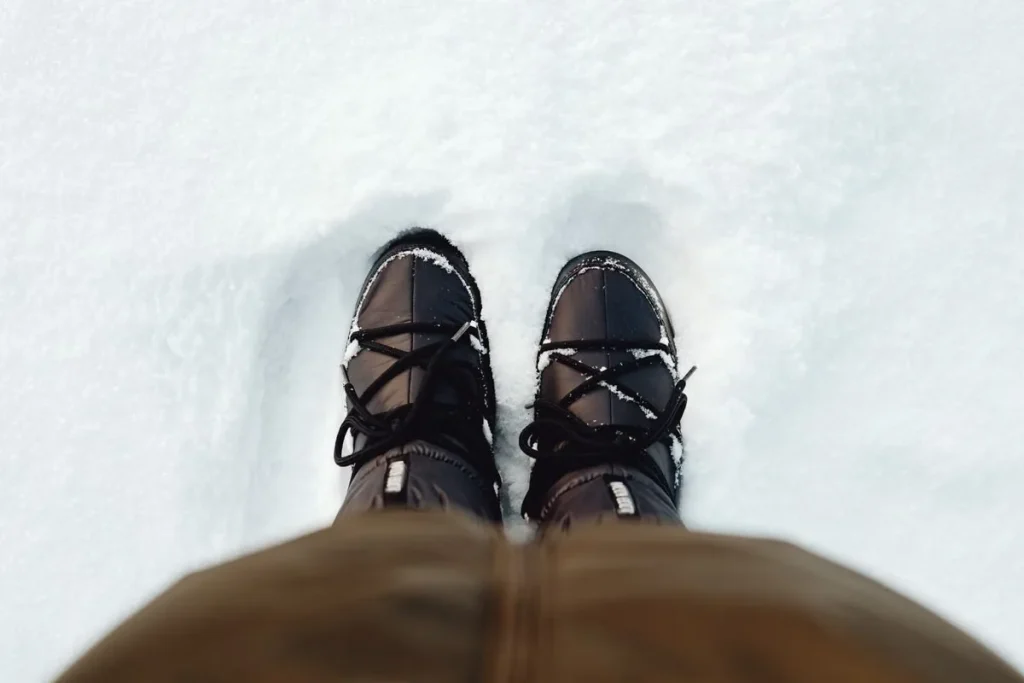
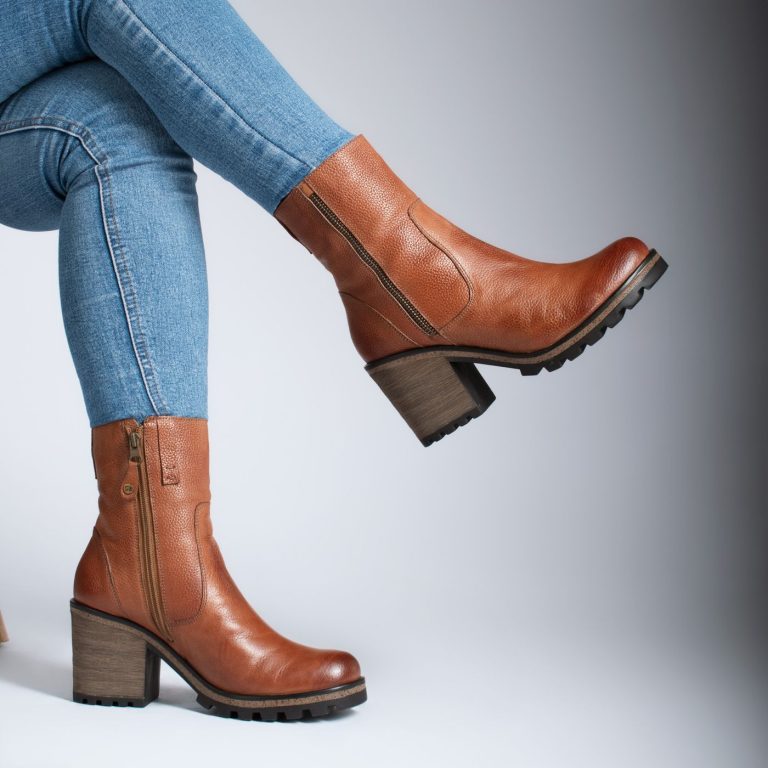
Lined Lug-Sole Ankle Boot
Best for: walking to transit, then wearing your boots at the office all day
Why we recommend it: A chunky lug sole adds grip and a modern look, while an ankle height feels less bulky than a snow boot under trousers and midi skirts. A lined version adds coziness for cold commutes. If you prefer a sleeker pull-on shape, see our guide to Chelsea boots for women.
Key features to look for
- A warm lining that does not make the boot too tight
- A deep lug sole; check the listing for traction details
- A side zip or pull tab for easy on and off
Pros
- Polished enough for work
- Less bulky than a snow boot
Cons / limitations
- Ankle height offers little coverage in deep snow
- Lug soles can feel heavy at first
Best cozy pick
Shearling-Style Lined Boot
Best for: dry, cold days, quick errands and relaxed weekend outfits
Why we recommend it: A soft faux-shearling or plush lining gives these boots a cozy, slipper-like feel that many people love on cold mornings. Pull-on styles are quick to wear with leggings and an oversized sweater, though most suit dry days better than slush.
Key features to look for
- A thick faux-shearling or plush lining
- A treated or water-resistant upper; check the listing
- A rubber outsole with some tread rather than a smooth sole
Pros
- Very soft, cozy feel
- Easy to pull on
Cons / limitations
- Suede-look uppers can stain in slush and salt
- Often less grip than a dedicated snow boot
Best budget pick
Faux-Fur Lined Ankle Snow Boot
Best for: mild winters, occasional snow or a backup pair
Why we recommend it: Many lined ankle snow boots are budget-friendly, and they cover the basics of a warm lining and a rubber sole. They are a practical pick for occasional snow days or a spare pair to keep by the door.
Key features to look for
- A faux-fur lining and cuff
- A rubber outsole with visible tread
- Water-resistance details; check the listing
Pros
- Budget-friendly winter basic
- Light and easy to wear
Cons / limitations
- Usually less durable than pricier boots
- Short shaft lets snow in on deep days
Best for petite frames
Mid-Calf Lined Winter Boot
Best for: petite women who find tall snow boots overwhelm their frame
Why we recommend it: A mid-calf height adds more coverage than an ankle boot without cutting the leg at an awkward point. Slimmer silhouettes with a modest sole keep the look in proportion while still offering a warm lining.
Key features to look for
- A shaft that ends below the widest part of your calf
- A slim profile rather than an oversized sole
- A lined interior; check the listing for warmth details
Pros
- Better proportions on shorter legs
- More coverage than an ankle boot
Cons / limitations
- Less coverage than a tall snow boot
- Shaft width varies, so check the listing
Best easy on and off
Side-Zip Lined Winter Boot
Best for: busy mornings, shoes-off homes and anyone who dislikes laces
Why we recommend it: A long side zip makes these boots quick to slip on and off, while front laces or a fixed upper keep the look neat. It is a practical choice for families and commuters who change shoes often.
Key features to look for
- A sturdy zip with a backing flap behind it
- A lined interior and padded collar
- A grippy rubber sole; check the listing for traction details
Pros
- Fast to put on and take off
- Keeps a laced look without the hassle
Cons / limitations
- Zips can be a weak point over time
- Zip seams may let in moisture, so check the listing
Best for wide feet
Wide-Width Insulated Winter Boot
Best for: wide feet or anyone who wears thick socks
Why we recommend it: Winter boots often feel tighter than regular shoes once you add a lining and thick socks. A wide-width option gives more room across the foot, so you can layer socks comfortably. Many buyers suggest checking whether a style runs narrow before ordering.
Key features to look for
- A wide-width option listed in the sizing
- A roomy toe box
- An insulated lining; check the listing for warmth details
Pros
- More room for thick socks
- Many people find them comfortable for long wear
Cons / limitations
- Fewer style choices in wide widths
- Can feel loose with thin socks
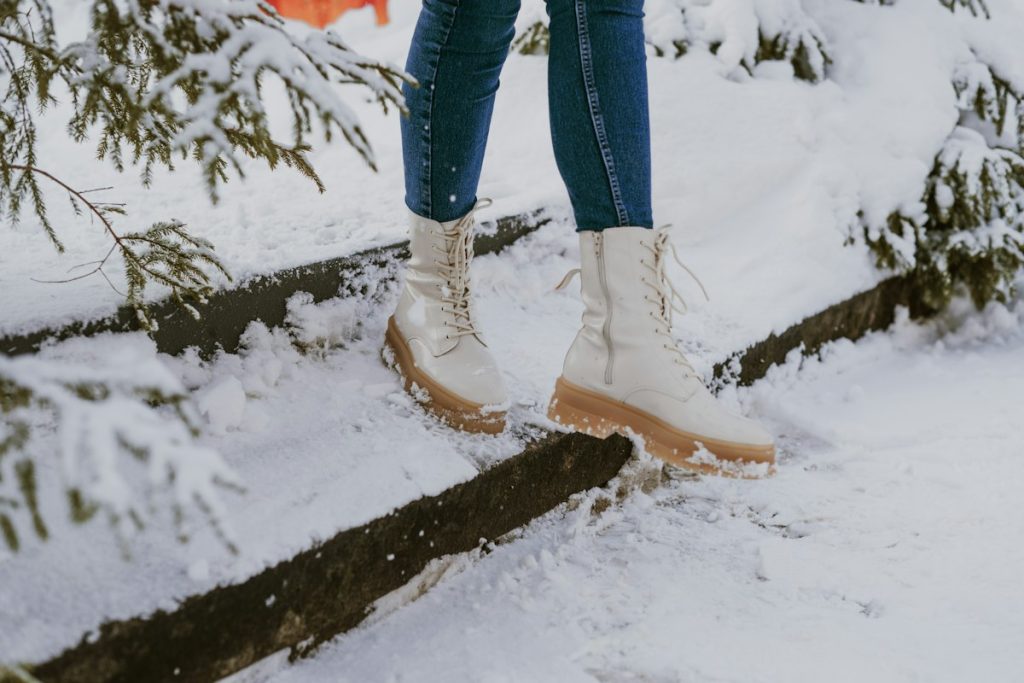
How to Style Winter Boots
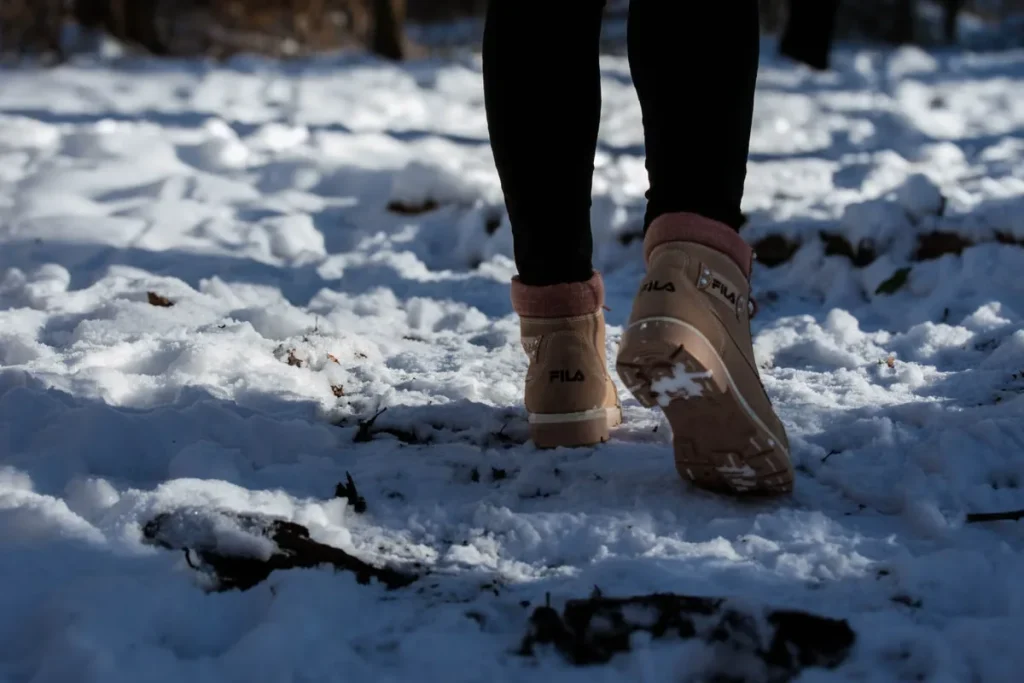
Winter boots can look as good as they work. Try these simple outfit ideas.
- City commute: Lug-sole ankle boots with straight-leg trousers, a long wool coat and a crossbody bag. Keep a pair of flats at your desk if you like to switch.
- Snow day: Tall snow boots over leggings with a thermal top, a puffer jacket and a cuffed beanie.
- Weekend errands: Shearling-style boots with leggings, an oversized sweater and a quilted vest.
- Classic winter: Duck-style boots with dark jeans tucked in, a cable-knit sweater and a plaid scarf.
How to Choose Winter Boots
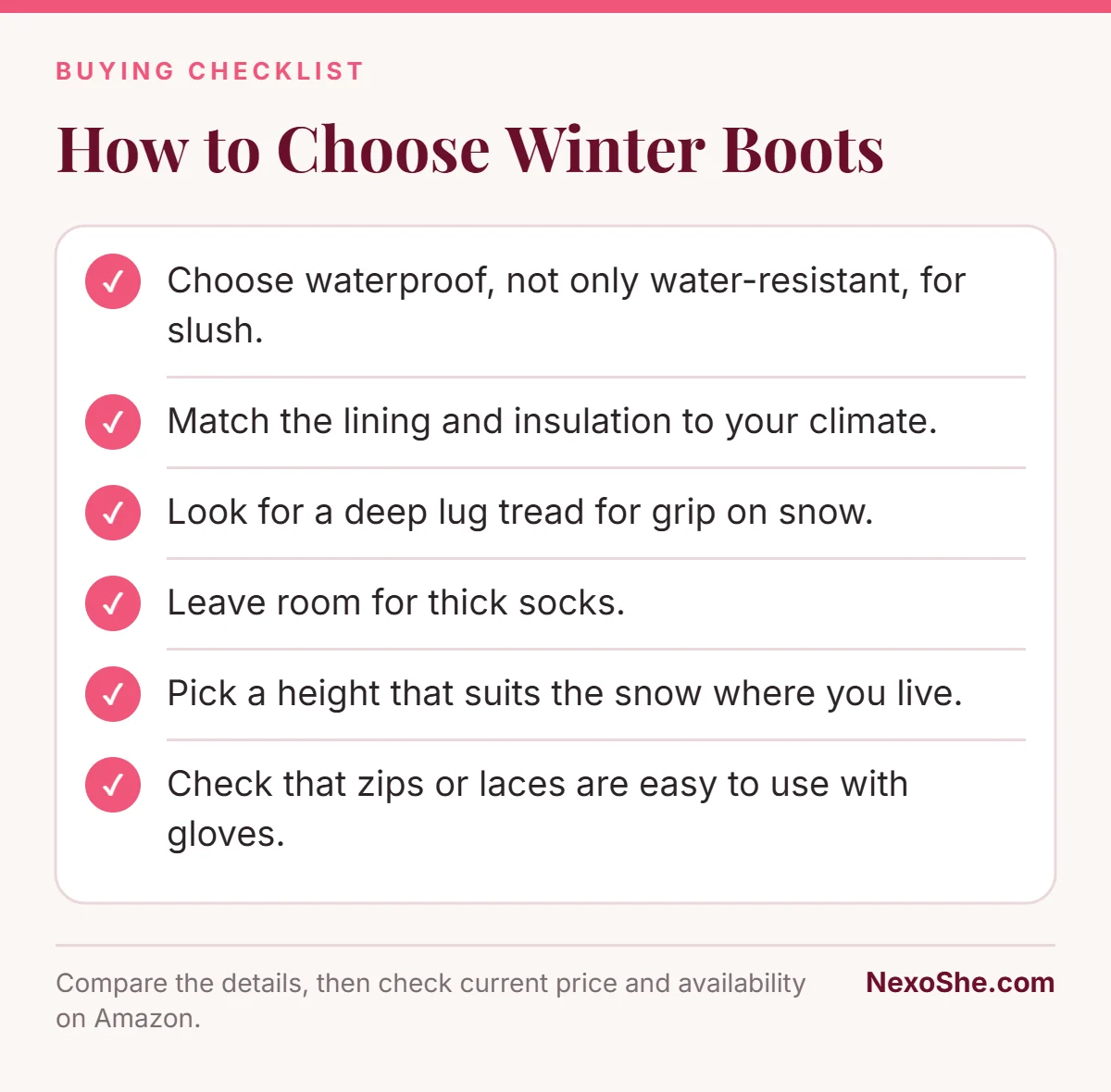
Traction. Look for a rubber outsole with deep, widely spaced lugs, which tend to grip better than shallow or smooth soles. Traction claims vary between makers, so check the listing for traction details before you buy, and take extra care on ice in any boot.
Materials, lining and water resistance. Rubber lowers handle slush best, nylon uppers keep boots light, and leather-look or suede-look uppers look polished but need more care. Linings range from thin fleece to thick faux shearling, so check the listing for the warmth or temperature details. If a boot is described as waterproof, check the listing to see what that covers.
Sizing and fit. Try boots with the socks you plan to wear. Lined styles can feel snug, and many buyers suggest going up a half size if a boot runs narrow. Leave a little room at the toes and check that your heel does not lift much when you walk. Read the size notes in each listing, since fit varies a lot.
Care. Wipe off salt and slush after each wear, dry boots at room temperature away from direct heat, and remove liners if you can. A protective spray suited to the upper material helps suede-look and leather-look boots last. Want to know how we build guides like this? See how we choose products.
How to Keep Winter Boots in Good Shape
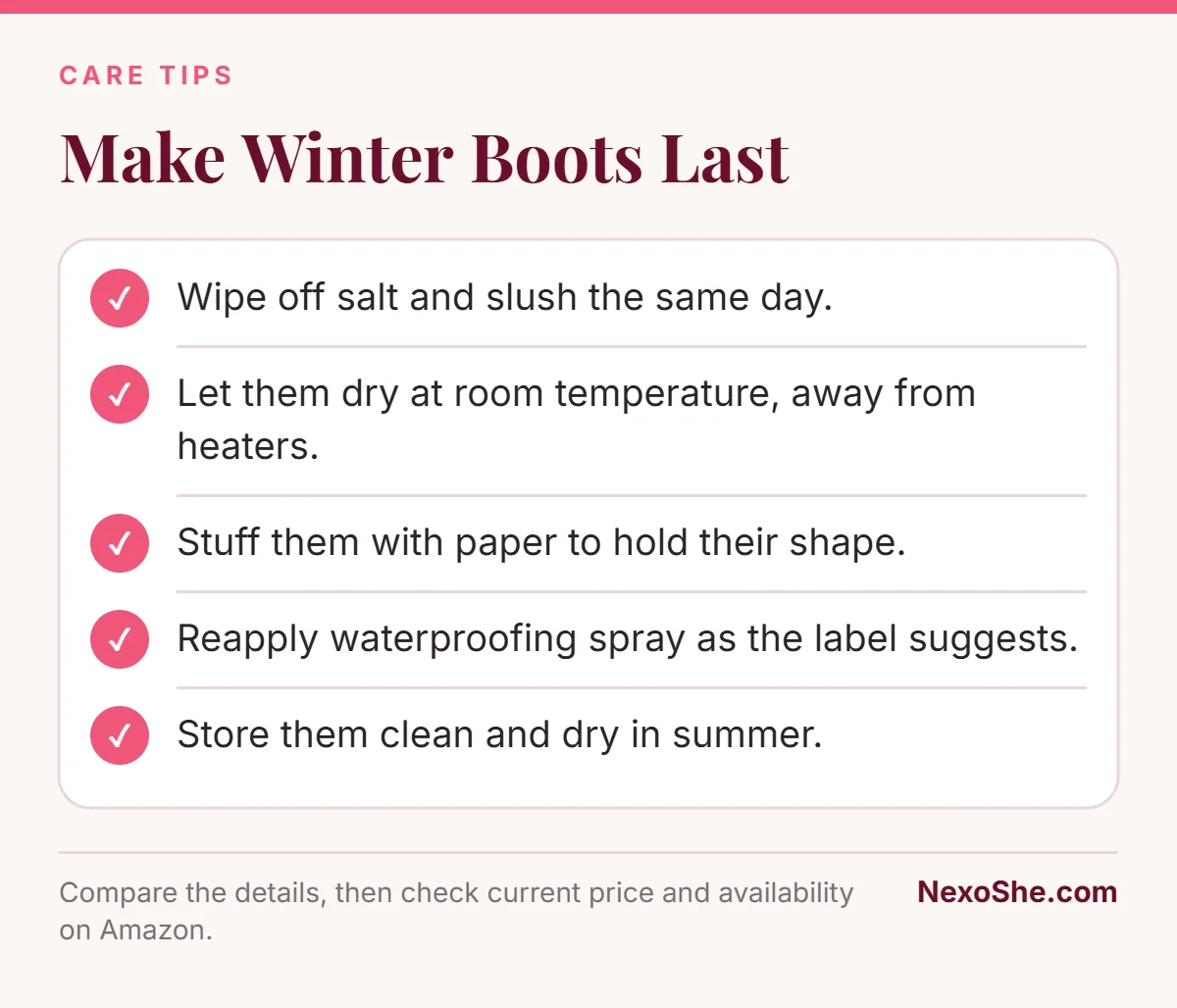
Winter boots work hard in snow, slush and salt, so a little care keeps them warm and waterproof. Knock off snow and wipe salt marks after each wear, because salt dries out leather and can stain suede. Let boots dry slowly at room temperature with the liners removed if possible; direct heat from radiators can crack leather and weaken glue. Re-apply a waterproofing spray or wax at the start of each season and whenever water stops beading on the surface.
- Remove and air out felt or fleece liners regularly.
- Use boot trays by the door to keep floors dry.
- Check soles for worn treads, which reduce grip on ice.
How we chose these picks: We compared Amazon product listings, brand information and patterns in recent customer feedback to match each pick to a specific need. We have not personally tested every product. Prices, deals and availability change often, so check the current details on Amazon before you buy. Graphics on this page are original NexoShe illustrations; photos are from Pexels.
Got Questions?
Frequently Asked Questions
Should I size up in winter boots?
Often, but not always. If a boot is lined or you plan to wear thick socks, a half size up can help, especially in narrow styles. Check the size notes in each listing, since some winter boots already run large.
What is the difference between snow boots and duck-style boots?
Snow boots are usually taller and insulated for deep snow, while duck-style boots pair a rubber lower with a lighter upper and suit slush and rain. Check the listing for the warmth and water details on either style.
Do lined winter boots grip better on ice?
A lining adds warmth, not grip. Grip comes from the outsole, and deep lugs in softer rubber tend to perform better on slick ground. Check the listing for traction details, and walk carefully on ice in any boot.
How do I remove salt stains from winter boots?
Wipe boots soon after wear with a damp cloth. Many people use water with a little white vinegar for salt marks, then let the boots dry at room temperature. Test any cleaner on a small hidden spot first and follow the care instructions for the material.
More from NexoShe
Finish your winter wardrobe with the best winter coats for women, add warm layers from our best thermal base layers for women, and browse the best knee-high boots for women for dressier days.