Best Shoes for Standing All Day: 7 Styles for Teachers, Nurses and Retail
Standing for a full shift is harder on your feet than walking. Teachers, nurses, retail and restaurant workers need shoes that cushion every step, support the arch and still meet the dress code. Here are seven styles of shoes for standing all day, what each is best for and simple habits that help your feet last until the end of the shift. These are the best shoes for standing all day, sorted by job and dress code.
NexoShe is reader-supported. As an Amazon Associate I earn from qualifying purchases. When you buy through links on our site, we may earn a commission at no extra cost to you. Read our full affiliate disclosure, written in line with the FTC Endorsement Guides.
What Matters Most for All-Day Standing
- Cushioning: a thick, springy midsole absorbs pressure.
- Support: a contoured footbed and a firm heel cup keep feet from rolling.
- Roomy toe box: feet swell through the day; toes need space.
- Slip resistance: essential in kitchens, hospitals and anywhere floors get wet.
- Dress code: check what your workplace allows before you buy.
| Style | Best for |
|---|---|
| Max-Cushion Sneakers View on Amazon → | Teachers and retail workers who can wear sneakers |
| Professional Work Clogs View on Amazon → | Nurses, healthcare and restaurant staff |
| Supportive Loafers View on Amazon → | Offices and dress codes that do not allow sneakers |
| Slip-Resistant Work Shoes View on Amazon → | Kitchens, cafes and anywhere with wet floors |
| Supportive Ankle Boots View on Amazon → | Cold climates and casual workplaces |
| Cushioned Flats With Arch Support View on Amazon → | Dressier roles where heels are not practical |
| Recovery Slides for After Work View on Amazon → | The commute home and evenings after a long shift |
1. Max-Cushion Sneakers
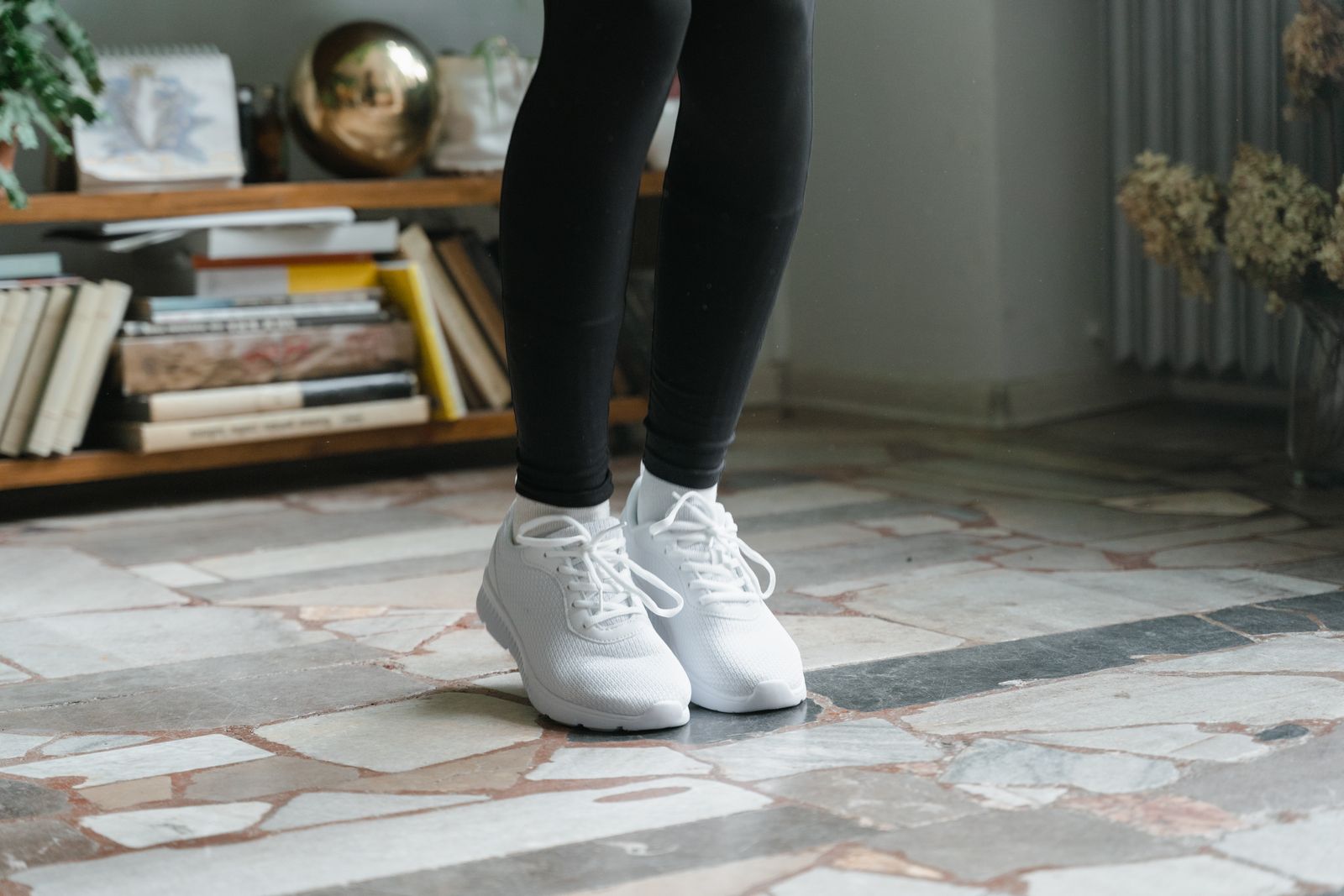
Best for: teachers and retail workers who can wear sneakers.
What to look for: a thick cushioned midsole, a wide base and breathable upper.
Check before you buy: that the heel is stable; very soft shoes can feel wobbly.
2. Professional Work Clogs
Best for: nurses, healthcare and restaurant staff.
What to look for: a supportive footbed, a protective toe, a slip-resistant sole and an easy-clean upper.
Check before you buy: whether your workplace requires closed backs or slip-resistant ratings.

3. Supportive Loafers
Best for: offices and dress codes that do not allow sneakers.
What to look for: a cushioned insole, a flexible sole and a rounded toe. Our loafers guide covers more styles.
Check before you buy: that there is room to add an insole if you need extra support.
4. Slip-Resistant Work Shoes
Best for: kitchens, cafes and anywhere with wet floors.
What to look for: a slip-resistant outsole, a water-resistant upper and a padded collar.
Check before you buy: the slip-resistance description from the maker.

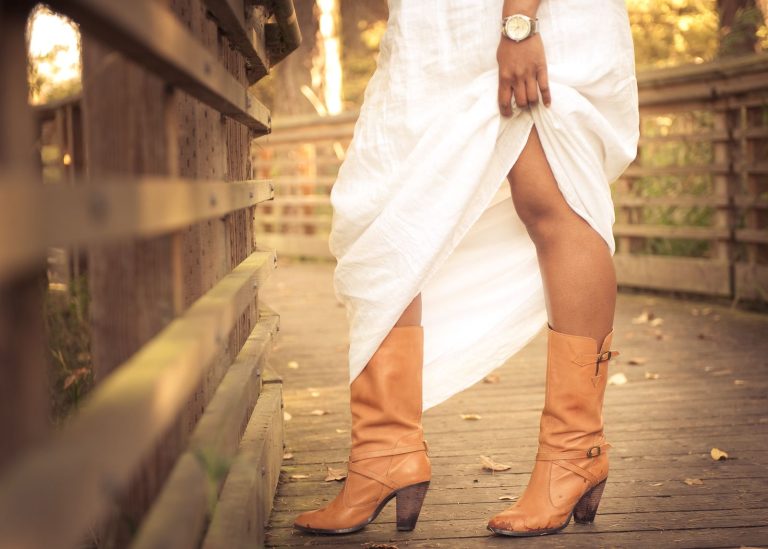
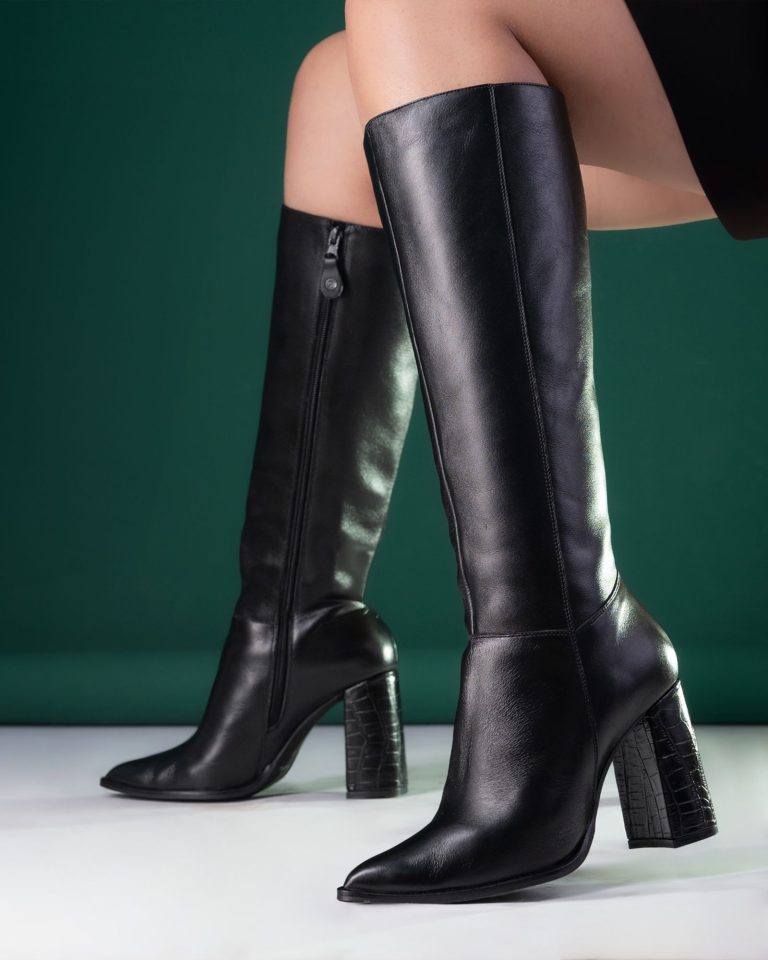
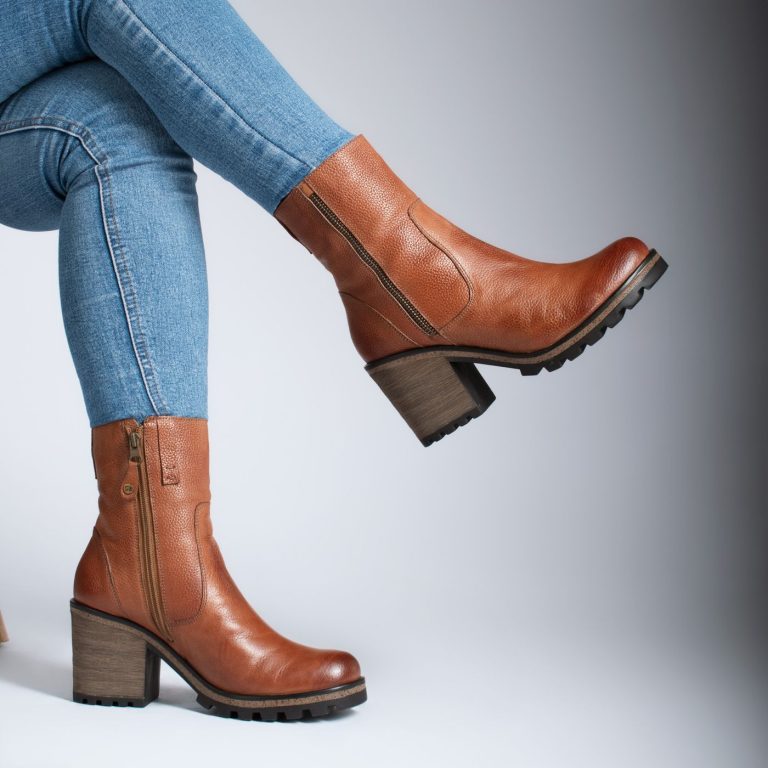
5. Supportive Ankle Boots
Best for: cold climates and casual workplaces.
What to look for: a low, wide heel, a cushioned footbed and side zips. See ankle boots for women.
Check before you buy: that the heel is low and wide enough for hours of standing.
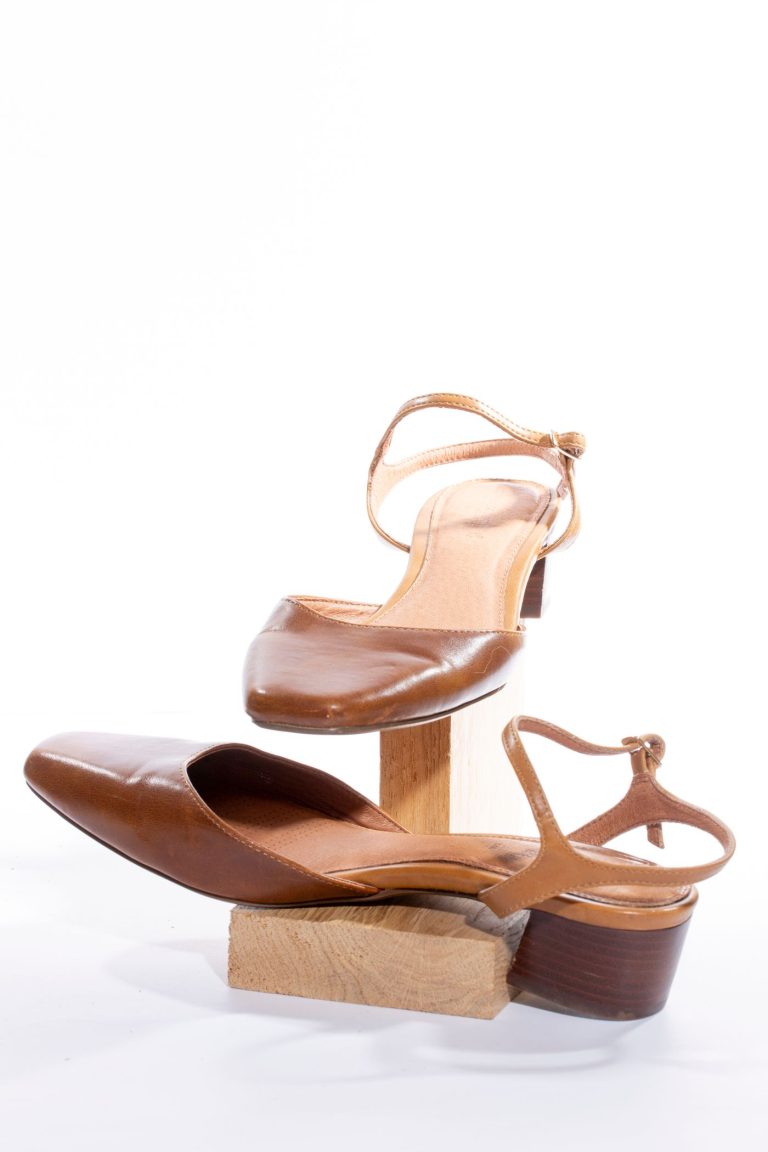
6. Cushioned Flats With Arch Support
Best for: dressier roles where heels are not practical.
What to look for: a padded, contoured footbed and a flexible but not flimsy sole. More in our comfortable flats guide.
Check before you buy: that the flat has real arch shape, not a paper-thin insole.
7. Recovery Slides for After Work
Best for: the commute home and evenings after a long shift.
What to look for: a soft, thick foam footbed.
Check before you buy: that you save them for after work; they are not work shoes.
Habits That Help on Long Shifts

- Shift your weight and walk a little when you can.
- Use an anti-fatigue mat at a fixed station if your workplace allows it.
- Wear supportive socks; some people like compression socks for long shifts.
- Rotate between two pairs so each has time to dry and recover.
- If you have ongoing foot pain, see a doctor or podiatrist.
Shop Shoes for Standing All Day
Prices, sizes and availability change often, so check the current details, size chart and the return policy on Amazon before you buy.
Why Standing All Day Is Hard on Your Feet
Standing still puts steady pressure on the same parts of your feet, especially the heels and the balls of the feet, without the natural relief that comes from walking. Over a long shift, feet can swell slightly, muscles in the legs tire and hard floors add to the strain. The right shoes spread pressure across the whole foot, cushion each step and support the arch so your legs work less to keep you balanced. Small habits, like shifting position and walking briefly when you can, help too.
Shoes for Specific Jobs
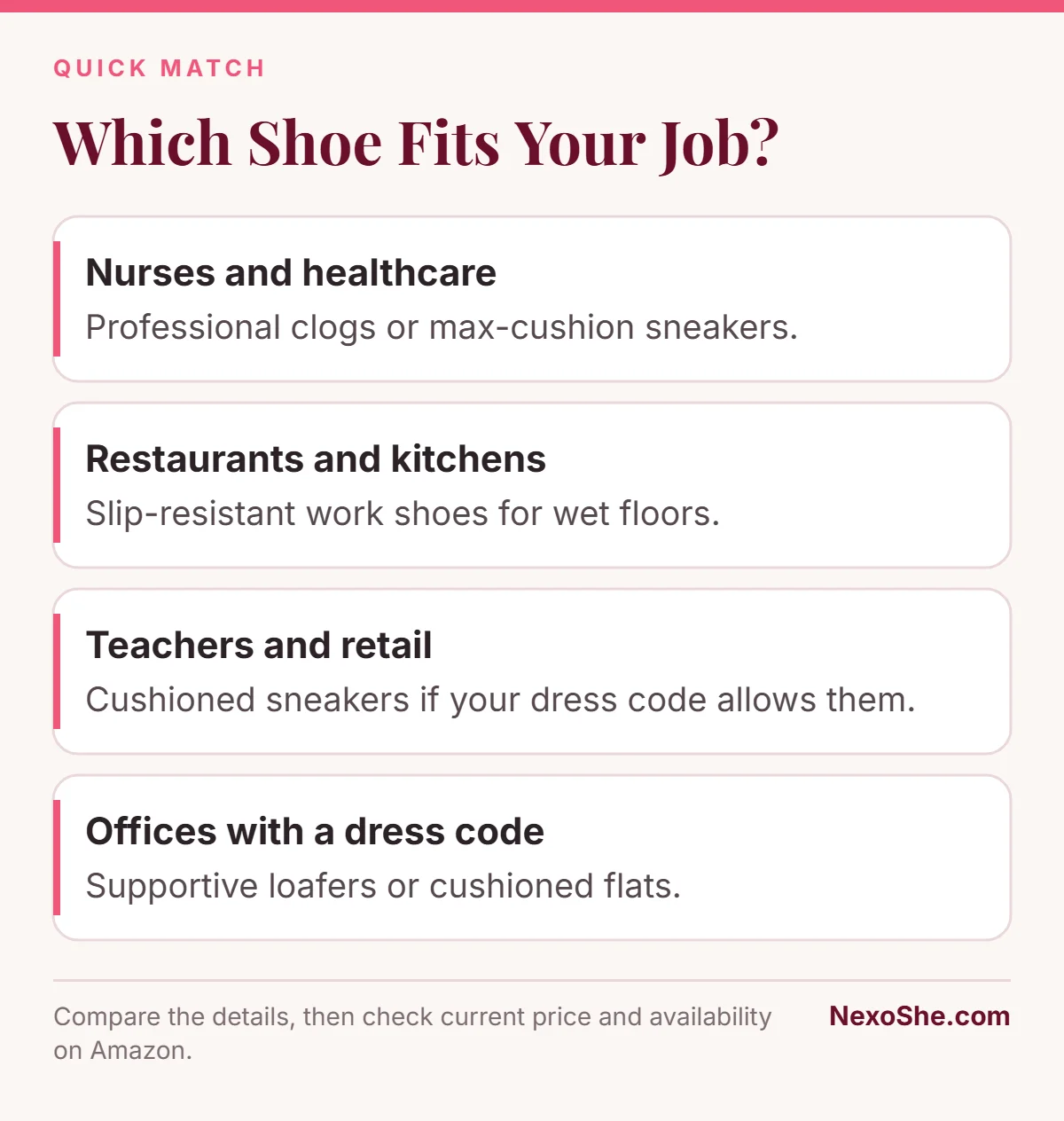
Different workplaces have different demands.
- Teachers: cushioned sneakers or supportive loafers that look professional and handle walking between classrooms; see our teacher bags.
- Nurses and healthcare: professional clogs or nursing sneakers with slip-resistant, easy-clean surfaces.
- Retail: cushioned sneakers or comfortable flats that meet the store dress code.
- Restaurants and cafes: slip-resistant shoes with closed toes and water-resistant uppers.
- Salons: cushioned, supportive shoes with good arch support for long periods at one station.
How to Check Arch Support
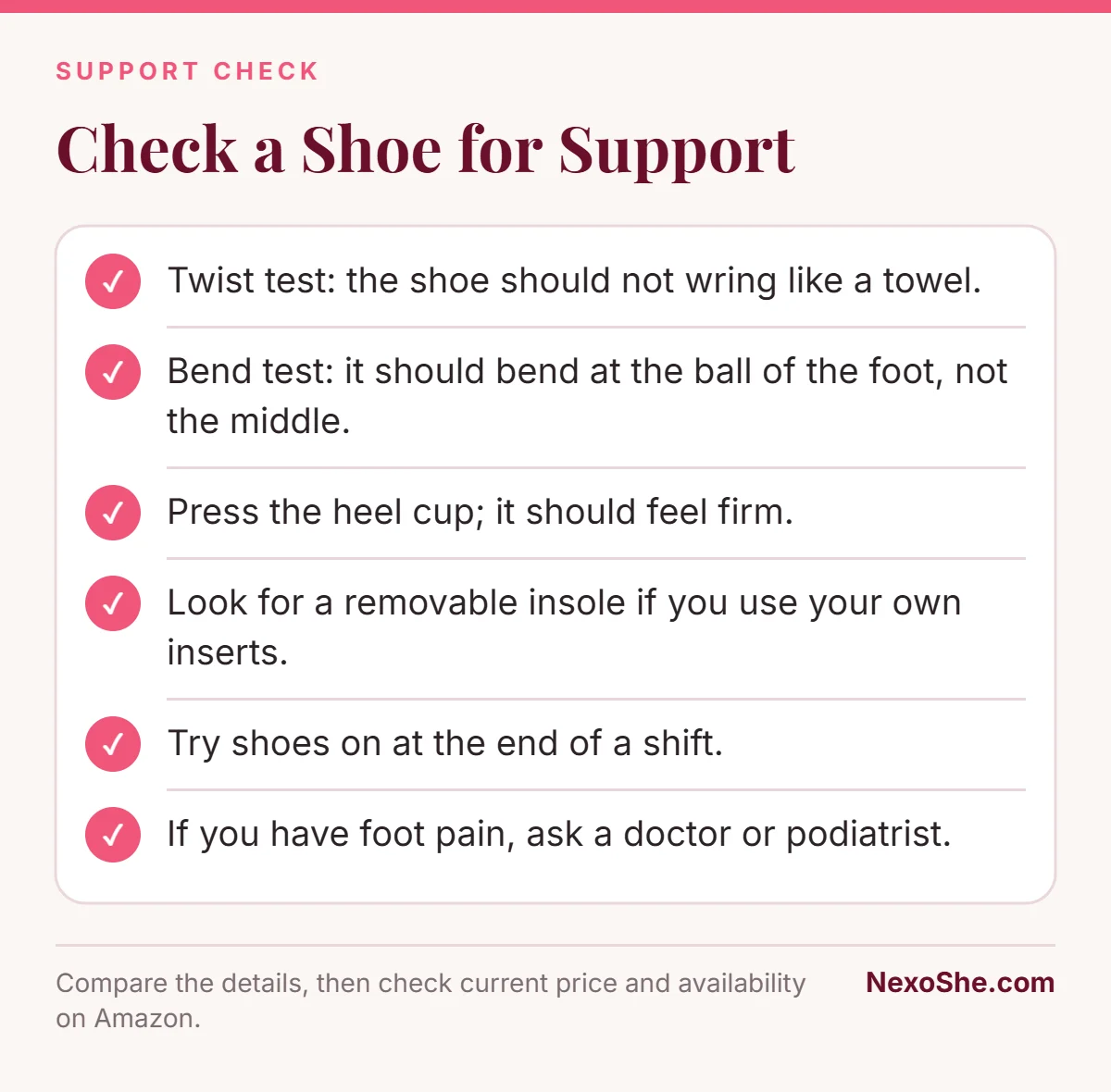
Arch support helps distribute weight across the foot instead of letting it collapse toward the inside. To check a shoe, remove the insole and look at its shape: a contoured insole that rises under the arch offers more support than a flat one. When you stand in the shoe, your arch should feel gently supported, not pushed up. If you have flat feet, high arches or pain, a podiatrist can recommend the right level of support or custom insoles.
Insoles and Orthotics
Many work shoes come with basic insoles that can be replaced. Cushioned insoles add softness for hard floors, while supportive insoles with a firm arch and deep heel cup add stability. Make sure the shoe has a removable insole and enough depth for a replacement. If you have ongoing foot pain, prescription orthotics from a specialist may help.
Compression Socks and Long Shifts
Some people who stand for long periods like wearing compression socks, which apply gentle pressure to the lower legs. Many find they help their legs feel less tired by the end of the day. Fit matters, so follow sizing charts carefully, and if you have circulation problems or other health conditions, ask a doctor whether compression socks are suitable for you.
How to Break In Work Shoes
Wear new work shoes at home for a few hours at a time before a full shift. Walk around, stand in place and climb stairs to spot any rubbing. Wear the socks you will use at work. If a spot rubs, a blister plaster or a little tape can protect your skin while the shoes soften. Most cushioned sneakers and clogs need little breaking in, while leather loafers and boots may take a week or two.
Rotating Two Pairs

Foam cushioning compresses during a long shift and needs time to recover. Alternating between two pairs of work shoes gives each pair at least a day to rebound and dry out, which can help them last longer and feel more comfortable. Rotating also reduces odor and keeps your feet from adapting to a single worn pattern.
Caring for Work Shoes
Wipe shoes clean at the end of each week, especially if you work in kitchens or healthcare. Remove and air insoles, sprinkle baking soda inside to absorb odor and let shoes dry naturally. Check soles regularly; worn treads reduce slip resistance, which is important for safety on wet floors.
When to Replace Work Shoes
Signs your work shoes need replacing include flattened cushioning, worn or smooth treads, cracks in the midsole, a heel that tilts and new aches in your feet, knees or back. Many people who stand all day replace their main work shoes every six to twelve months, depending on hours and floor type.
Common Mistakes
Avoid these when choosing shoes for long shifts.
- Choosing fashion over function for long shifts.
- Buying shoes in the morning, when feet are smallest.
- Ignoring workplace rules about slip resistance or closed toes.
- Wearing worn-out shoes to save money, which can lead to discomfort.
Final Tip
Try work shoes on at the end of a shift, when your feet are at their largest, and stand in them for a few minutes on a hard floor before you decide.
Simple Stretches for After a Long Shift
A few gentle stretches can help tired feet and legs relax after standing all day. Roll the sole of your foot over a tennis ball or frozen water bottle for a minute on each side. Stretch your calves by leaning against a wall with one leg back and the heel down. Point and flex your feet while sitting, and circle your ankles in both directions. Elevating your legs for a few minutes can also feel good. If you have pain that does not improve, see a doctor or physical therapist.
Shoes for Standing on Concrete Floors
Concrete and tile floors are especially hard on feet because they do not absorb impact. Thick, cushioned midsoles and supportive insoles make the biggest difference here. Anti-fatigue mats at fixed workstations add an extra layer of comfort. Avoid thin-soled flats and very flat sneakers on concrete for full shifts.
Dress Code Friendly Options
If your workplace does not allow sneakers, look for supportive loafers, cushioned flats with arch support or low block-heel shoes with padded insoles. Black leather sneakers or minimalist all-black trainers are often accepted in smart-casual workplaces because they look like dress shoes from a distance. Always check your employer’s dress code and safety rules. See our loafers and comfortable flats.
Slip-Resistant Ratings
Many workplaces, especially kitchens and hospitals, require slip-resistant shoes. Look for shoes described as slip-resistant or tested to a recognized slip-resistance standard, and check outsoles for deep, fine treads. Plain rubber soles are not automatically slip-resistant.
Shoes for Standing All Day by Foot Type
Choose features that match your feet.
- Wide feet: wide or extra-wide sizes and a roomy toe box prevent pinching as feet swell.
- Flat feet: many people prefer stable shoes with firmer arch support.
- High arches: extra cushioning helps absorb impact.
- Bunions: soft, stretchy uppers and wider fits reduce pressure.
- Heel pain: a cushioned heel and supportive insole may help; ask a podiatrist for advice.
Socks for Long Shifts
Moisture-wicking socks keep feet dry and reduce blisters during long shifts. Cushioned socks add comfort on hard floors, and seamless toes prevent rubbing. Keep a spare pair at work to change into halfway through a long or hot shift.
Quick Recap
Choose cushioned, supportive shoes that fit your feet at the end of the day, meet your workplace rules, rotate two pairs and replace them before the cushioning wears out.
Commuting Tip
If your commute involves a lot of walking, wear cushioned sneakers on the way and keep a second pair of work shoes at your locker or desk. Your work shoes last longer, and your feet get a change of pressure points halfway through the day.
One More Tip
Write the purchase date inside your work shoes with a marker, so you know when they are approaching the time to replace them.
How we chose these picks: We compared Amazon product listings, brand information and patterns in recent customer feedback to match each pick to a specific need. We have not personally tested every product. Prices, deals and availability change often, so check the current details on Amazon before you buy. Graphics on this page are original NexoShe illustrations; photos are from Pexels.
Frequently Asked Questions
What type of shoe is best for standing all day?
Shoes with thick cushioning, a supportive footbed, a stable heel and a roomy toe box. Many workers choose cushioned sneakers or professional work clogs.
Are clogs good for standing all day?
Many nurses and chefs wear professional clogs because of their supportive footbeds and protective toes. Fit is key; your heel should not slide.
Should I size up for work shoes?
Not necessarily, but try them on at the end of the day when feet are larger, and make sure your toes have room.
Can insoles help if I stand all day?
Cushioned or supportive insoles can make shoes more comfortable. For ongoing pain, a podiatrist can recommend the right type.
More from NexoShe
Build your work wardrobe with our teacher bags, lunch bags for work and walking shoes.
Find more shoe guides on the NexoShe Shoes page and the Fashion page.
Photos: Pexels. Our picks are shoe styles chosen from our research, not personal product tests. Check sizing, materials and return policies on Amazon before you buy. For foot pain or medical conditions, ask a doctor or podiatrist.