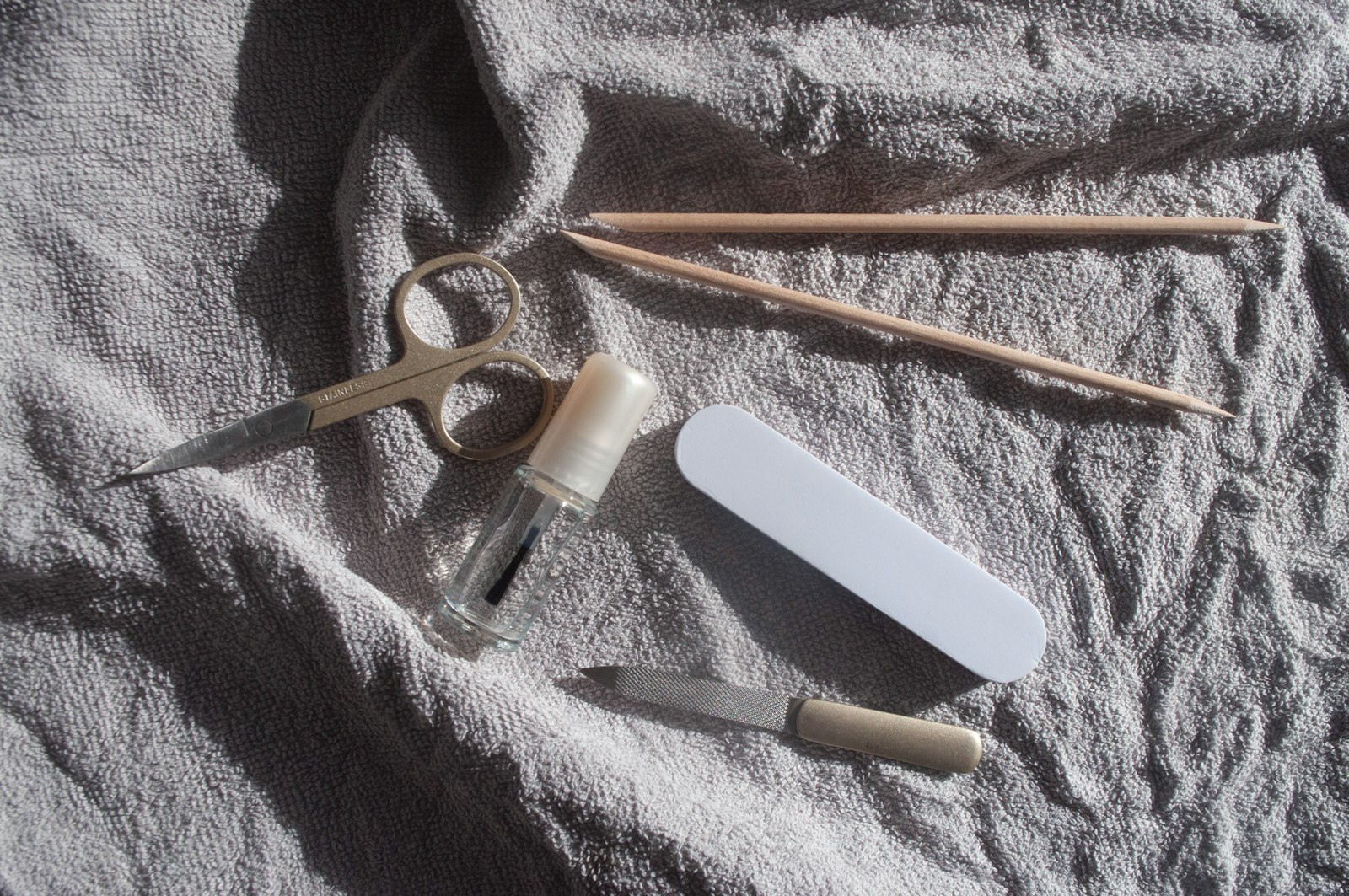
Best Nail Care Products for Weak, Peeling Nails
If your nails split, peel or snag on every sweater, a simple routine and a few well-chosen products can make daily care easier. This guide rounds up the best nail care products for weak, peeling nails, from base coats and cuticle oils to chore gloves. These products are designed to help protect nails and keep them looking groomed; they are not treatments.
NexoShe is reader-supported. When you buy through links on our site, we may earn a commission at no extra cost to you. Read our full affiliate disclosure, written in line with the FTC Endorsement Guides.
Quick Picks
- Best base layer: nail hardener base coat
- Best daily habit: cuticle oil
- Best for on the go: cuticle oil pens
- Best for shaping: glass nail file
- Best budget-friendly habit: rubber gloves for chores

The Best Nail Care Products for Weak, Peeling Nails
Best base layer
Nail Hardener Base Coat
Best for: anyone who wants a protective clear layer under polish or on its own
Why we recommend it: Products sold as nail hardeners or strengthening base coats are designed to add a firm, glossy coat over the nail surface. Many people like wearing one alone or under color. Formulas and directions vary, so read the listing carefully.
Key features to look for
- A full ingredient list on the listing, so you can check it before you buy
- Clear directions on how often to apply and when to remove
- A sheer or clear finish that works alone or under polish
Pros
- Gives bare nails a neat, polished look
- Doubles as a base coat for color
Cons / limitations
- Some formulas have a strong smell, so apply in a ventilated space
- Overuse can leave nails feeling stiff for some people; follow the manufacturer’s directions
Best for smoothing the look of ridges
Ridge-Filling Base Coat
Best for: uneven-looking nails that make polish look bumpy
Why we recommend it: A ridge filler is a slightly thicker base coat designed to even out the look of the nail surface, so color goes on smoother. Many people like the soft, blurred finish it gives when worn alone.
Key features to look for
- A sheer pink, milky or clear tint, depending on the look you want
- A self-leveling texture, as described in the listing
- A brush that fans out evenly across the nail
Pros
- Helps polish look smoother
- Flattering on its own for a natural manicure
Cons / limitations
- Thicker layers take longer to dry
- Changes the look of the surface only, not the nail itself
Best daily habit
Cuticle Oil
Best for: dry-looking cuticles and anyone building a simple nightly routine
Why we recommend it: A drop of cuticle oil massaged around each nail is one of the easiest habits to keep. Many people like the softer feel and the way it makes bare nails look cared for.
Key features to look for
- A plant-oil blend listed clearly on the label
- A brush or dropper applicator for less mess
- Unscented or lightly scented, depending on your preference
Pros
- Fast, relaxing ritual that fits any schedule
- A small bottle tends to go a long way
Cons / limitations
- Can feel greasy right after applying
- Check for nut-derived oils if that matters to you, and patch test first
Best for on the go
Cuticle Oil Pens
Best for: busy days, handbags, desk drawers and travel
Why we recommend it: A click-up pen puts a small amount of oil right where you need it, with no spills. Multipacks let you keep one in your bag, at work and by the bed.
Key features to look for
- A soft brush tip rather than a hard felt tip
- A secure cap that won’t pop off in a bag
- A multipack in different scents or unscented
Pros
- Mess-free and travel-friendly
- Easy to use several times a day
Cons / limitations
- Holds less oil than a bottle, so you’ll refill or rebuy more often
- The first few clicks can take a while to bring oil to the tip
Best for hands and nails together
Nail and Cuticle Cream
Best for: anyone who prefers a balm or cream texture over oil
Why we recommend it: A thick nail and cuticle cream is designed to help protect dry-feeling skin around the nails, and many people like how it feels after hand washing. A small tin or tube is easy to keep by the sink.
Key features to look for
- A rich balm or cream texture, as described in the listing
- A compact tin or tube for your bag or nightstand
- A full ingredient list you can check before buying
Pros
- Less runny than oil, so it stays put
- Works on cuticles and dry knuckles alike
Cons / limitations
- Heavy textures can leave fingerprints on screens
- Tins mean dipping in with your fingers
Best lightweight layer
Protein-Free Nail Serum
Best for: people who want a light, quick-absorbing alternative to oils and creams
Why we recommend it: Serums listed as protein-free are a separate category from many hardening formulas, and some people prefer them for that reason. They usually come in a brush bottle for bare nails and cuticles. Check the listing for ingredients and directions.
Key features to look for
- “Protein-free” stated clearly on the listing, if that is what you want
- A thin brush for precise application
- Directions on whether it goes under polish or on bare nails
Pros
- Light feel that doesn’t linger on your fingers
- Easy to add to a nightly routine
Cons / limitations
- Fewer listings to choose from than oils or base coats
- Listing claims can be vague, so read the details closely
Best for shaping
Glass Nail File
Best for: anyone whose nails snag or fray after filing with a coarse board
Why we recommend it: A glass (crystal) file has a fine, etched surface that many people find leaves a smoother-looking edge than rough emery boards. It rinses clean and lasts a long time, which makes it a smart swap for disposable files.
Key features to look for
- Etched grit along the full length, on both sides
- A protective case or sleeve
- A size that fits your bag as well as your vanity
Pros
- Easy to wash and reuse
- Fine grit suits careful shaping
Cons / limitations
- Can break if dropped on a hard floor
- Slower than a coarse file for big length changes
Best for a natural shine
Gentle Buffing Block
Best for: polish-free days when you still want a glossy finish
Why we recommend it: A multi-sided buffer moves from smoothing to shining, giving bare nails a soft gloss. Use a light touch and buff only occasionally, following the order printed on the block.
Key features to look for
- Numbered or labeled sides so you know the order
- A dedicated fine “shine” side
- A multipack, since buffers wear down over time
Pros
- Polished look with no polish to chip
- Budget-friendly and easy to pack
Cons / limitations
- Too much buffing can thin the nail surface
- The shine fades and needs redoing
Best overnight routine
Cotton Gloves for Overnight Moisture
Best for: anyone who applies hand cream or cuticle oil at bedtime
Why we recommend it: Cotton gloves over your nightly cream keep it on your hands, not your sheets. The ritual pairs well with an at-home spa night.
Key features to look for
- Breathable cotton with a little stretch
- A multipack so you can wash and rotate
- A size chart, since one-size gloves fit differently
Pros
- Keeps cream off bedding and your phone
- Machine washable and reusable
Cons / limitations
- Some people find gloves warm to sleep in
- Thin cotton can stretch out after many washes
Best budget-friendly habit
Rubber Gloves for Chores
Best for: dishwashing, cleaning and any job with water or household products
Why we recommend it: Long soaks in hot, soapy water and contact with cleaning products are hard on hands. A pair of chore gloves is designed to help protect your hands and nails while you work, and it is one of the simplest changes you can make.
Key features to look for
- A soft lining so they slip on and off easily
- Long cuffs to keep water out
- Latex-free material listed, if you need to avoid latex
Pros
- Very affordable and easy to find
- Helps keep a fresh manicure intact during chores
Cons / limitations
- Less grip and feel for delicate tasks
- Sizing varies, so check the size chart
Everyday Habits for Weak, Peeling Nails
Products work best alongside a few simple habits.
- Wear gloves for chores. Use rubber gloves for dishes and cleaning, and garden gloves outdoors.
- File gently, in one direction. Sawing back and forth can leave a rough edge. Use a fine file and shape with light strokes.
- Moisturize often. Apply hand cream or cuticle oil after washing your hands and before bed.
- Don’t use nails as tools. Reach for a coin or opener instead of prying lids or peeling stickers with your nails.
- Give nails a break. If you wear gel or press-ons often, consider some bare-nail time between sets. Our guide to at-home gel nail kits covers gentle removal; for acetone or glue, follow the manufacturer’s directions and work in a ventilated space.
When to See a Dermatologist
Nail care products are for everyday grooming, not for diagnosing or treating anything. See a dermatologist for nail concerns, especially if you notice changes in color, shape or thickness, pain, swelling, lifting from the nail bed, or peeling that doesn’t settle with gentle care.
How to Choose Nail Care Products
Start with one or two basics. A cuticle oil and a fine glass file cover most daily routines. Add a base coat or serum once you know what you want from it.
Read the ingredients and directions. Check the listing for ingredients, especially for base coats and hardeners, and follow the manufacturer’s directions on how often to apply. Patch test any new product on a small area first.
Treat claims as listing language. Bold promises on a label describe how a product is marketed. They are not a guarantee of results, so compare formulas and directions rather than headlines.
Pick textures you’ll actually use. If oil feels too slick, try a cream or a light serum.
Think about gifting. Cuticle oil pens, a glass file and cotton gloves make a thoughtful bundle, much like our self-care gift ideas for women. See how we choose products.
Got Questions?
Frequently Asked Questions
Do nail hardeners actually work?
We can’t promise results from any nail product. Hardeners and “strengthening” base coats are designed to add a protective coat over the nail, and many people like the polished look. Check the listing for ingredients, follow the manufacturer’s directions, and see a dermatologist for nail concerns.
How often should I use cuticle oil?
Many people use it once or twice a day, often after washing their hands and before bed. Check the product listing for its suggested use, and patch test a new oil first.
Is a glass nail file better than an emery board?
Many people prefer glass files because the fine grit feels smoother and rinses clean. Emery boards are quicker for removing length. Either way, file gently in one direction.
Can I wear polish if my nails peel?
Many people do, often over a base coat, and remove it gently with a cotton pad rather than scraping. Use remover in a ventilated space and follow the directions on the bottle. If peeling continues or you notice other changes, see a dermatologist.
More from NexoShe
Ready for a little color? Browse our winter nail colors for the season’s best shades, or find a pampering present in our beauty gifts for women.